The Supreme Guide to Astrophotography: Capturing the Cosmos by means of Your Telescope
Astrophotography is really a charming interest that helps you to take a look at and capture unistellar smart telescope the beauty of the cosmos. With the appropriate products, strategies, and awareness, you could change your telescope into a robust Resource for capturing amazing celestial photographs. With this supreme guideline, We are going to consider you through every little thing you have to know about astrophotography, from selecting the right telescope and accessories to mastering the art of capturing spectacular images of stars, planets, and galaxies.
Introduction: Embarking on a Cosmic Journey with the Telescope
Astrophotography has received immense popularity recently, as advancements in know-how have created it additional available to lovers. By combining astronomy and images, astrophotography allows us to witness the miracles from the universe and share them with Other people.
Whether you're a seasoned astronomer or a novice using a newfound curiosity for the night sky, this manual will equip you Together with the expertise and competencies to unleash your creativity and seize mesmerizing pictures by your telescope.
Choosing the Right Telescope: A Window for the Stars
Before diving into astrophotography, it's important to select an appropriate telescope that fulfills your particular needs. The sort of telescope you decide on will considerably influence your capability to capture high-high-quality pictures of celestial objects. Here are a few things to think about when choosing your telescope:
Aperture Measurement: The aperture size determines the amount of mild your telescope gathers. A larger aperture allows for much better impression resolution and detail. Focal Length: The focal duration affects the magnification capabilities within your telescope. For a longer period focal lengths are ideal for capturing close-ups of distant objects. Mount Form: There are two primary sorts of mounts – alt-azimuth (AZ) and equatorial (EQ). An equatorial mount is preferred for astrophotography as a consequence of its power to observe celestial objects precisely.Essential Components: Enhancing Your Astrophotography Experience
To improve the prospective within your telescope for astrophotography, there are numerous add-ons it is best to take into account investing in:
Camera Adapter: A digital camera adapter means that you can attach your DSLR or mirrorless camera for your telescope, enabling you to definitely seize very long-publicity images. Barlow Lens: A Barlow lens boosts the magnification of the telescope, enabling you to get closer views of celestial objects. Autoguider: An autoguider assists you attain exact monitoring and decrease movement blur through lengthy-exposure shots. Filters: Filters can improve precise characteristics or suppress unwanted gentle, like mild pollution or atmospheric haze.Setting Up Your Telescope: Getting ready for a Night Beneath the Stars
Now that you've decided on the appropriate telescope and gathered the necessary components, it is time to setup your equipment for an evening of astrophotography. Adhere to these measures to be certain a clean setup course of action:
Find a Dim Sky Location: Light pollution can significantly impression the caliber of your astrophotographs. Choose a place clear of city lights for ideal benefits. Align Your Equatorial Mount: When you have an equatorial mount, align it While using the North Star (Polaris) to make certain exact tracking of celestial objects. Balance Your Telescope: Thoroughly balancing your telescope is crucial for security and sleek movement throughout astrophotography sessions. Focus Your Telescope: Reaching sharp emphasis is essential for capturing apparent photographs. Make use of a Bahtinov mask or live-view manner on your digital camera for specific focusing.Mastering Publicity Settings: Unveiling the Techniques with the Night time Sky
Understanding publicity settings is vital to capturing gorgeous astrophotographs. This is a breakdown in the necessary settings:
ISO Sensitivity: Higher ISO values increase the digicam's sensitivity to gentle but might introduce noise. Experiment with unique ISO configurations to locate the ideal stability. Shutter Velocity: Lengthier exposures allow for extra gentle to reach the digital camera sensor, revealing faint particulars of celestial objects. Having said that, longer exposures may additionally introduce star trails due to Earth's rotation. Aperture: Choosing the correct aperture is determined by the desired depth of subject and also the brightness of the object you will be photographing.Capturing Celestial Objects: From Stars to Galaxies
Now you have arrange your telescope and mastered publicity options, it's time to get started capturing celestial objects. Here are several techniques for photographing prevalent targets:
The Moon: Use a lunar filter to scale back glare and seize intricate details of your Moon's floor. Planets: Planetary images requires higher magnification and rapidly shutter speeds to attenuate atmospheric turbulence. Deep Sky Objects: Capturing galaxies, nebulae, and star clusters requires prolonged-exposure imaging approaches and dim sky problems.Post-Processing Procedures: Maximizing Your Astrophotographs
Post-processing performs a vital role in astrophotography, enabling you to reinforce and reveal concealed aspects inside your images. Here are some popular article-processing methods:
Image Stacking: Combining various exposures of precisely the same object can reduce noise and expose finer particulars. Stretching Histograms: Altering the brightness amounts of your impression can convey out concealed options and boost contrast. Color Calibration: Correcting shade imbalances makes certain accurate representation of celestial objects.
Frequently Requested Inquiries (FAQs)
1. Can I capture astrophotographs with binoculars?
Yes, you may seize astrophotographs with binoculars by attaching a digital camera adapter or smartphone mount. Nevertheless, because of their more compact apertures, binoculars may not generate as in depth success as telescopes.
2. Do I want a monitoring mount for astrophotography?
A tracking mount is highly recommended for astrophotography, especially when capturing very long-exposure illustrations or photos of deep sky objects. Tracking mounts compensate for Earth's rotation, allowing you to definitely seize sharp and detailed pictures.
3. How am i able to lessen sound in my astrophotographs?
To lower sound as part of your astrophotographs, seize several exposures and stack them utilizing specialized computer software. Image stacking can help ordinary out the sound and expose finer specifics.
4. What on earth is gentle pollution, and How can it influence astrophotography?
Light pollution refers back to the too much synthetic lights that obscures the visibility of celestial objects. It may possibly drastically influence your astrophotographs by lessening contrast and introducing unwanted coloration casts. Deciding on a dim sky place or utilizing gentle pollution filters may also help mitigate its effects.
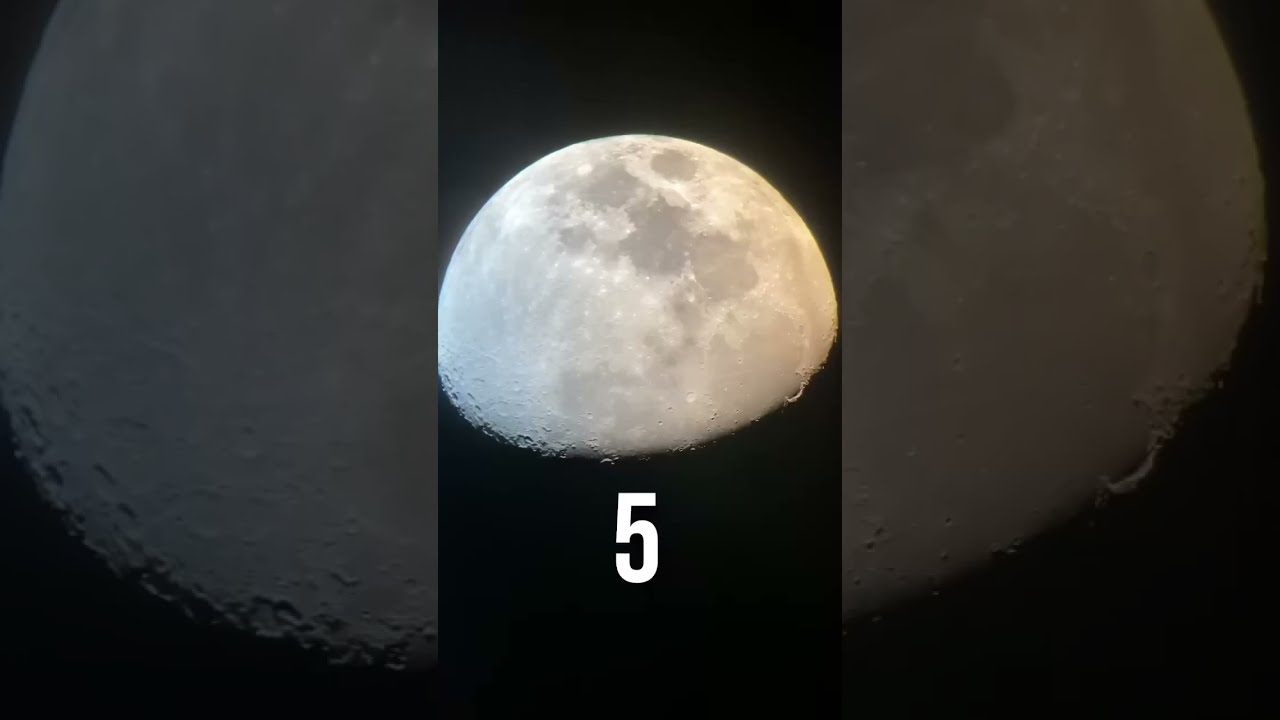
5. Am i able to utilize a smartphone for astrophotography?
Smartphones are able to capturing essential astrophotographs, In particular of brilliant objects similar to the Moon and planets. However, due to their confined sensor measurement and handbook controls, smartphones may well not yield Experienced-degree success.
6. Just how long should my exposures be for deep sky objects?
The best publicity length for deep sky objects varies based on quite a few factors, for instance mild pollution concentrations and focal size. Normally, exposures ranging from a few minutes to a number of several hours are widespread for capturing details in galaxies, nebulae, and star clusters.
Conclusion: Unleash Your Creative imagination with Astrophotography
Astrophotography opens up a complete new environment of exploration and creative imagination. By combining your enthusiasm for astronomy with photography capabilities, you may seize stunning pictures that showcase the grandeur of your cosmos.
Remember to select the correct telescope and add-ons for astrophotography, create your machines the right way, grasp exposure options, and experiment with write-up-processing techniques to improve your photos even more. With exercise and dedication, you are going to unlock the correct prospective of your respective telescope and capture breathtaking astrophotographs that encourage awe and surprise.